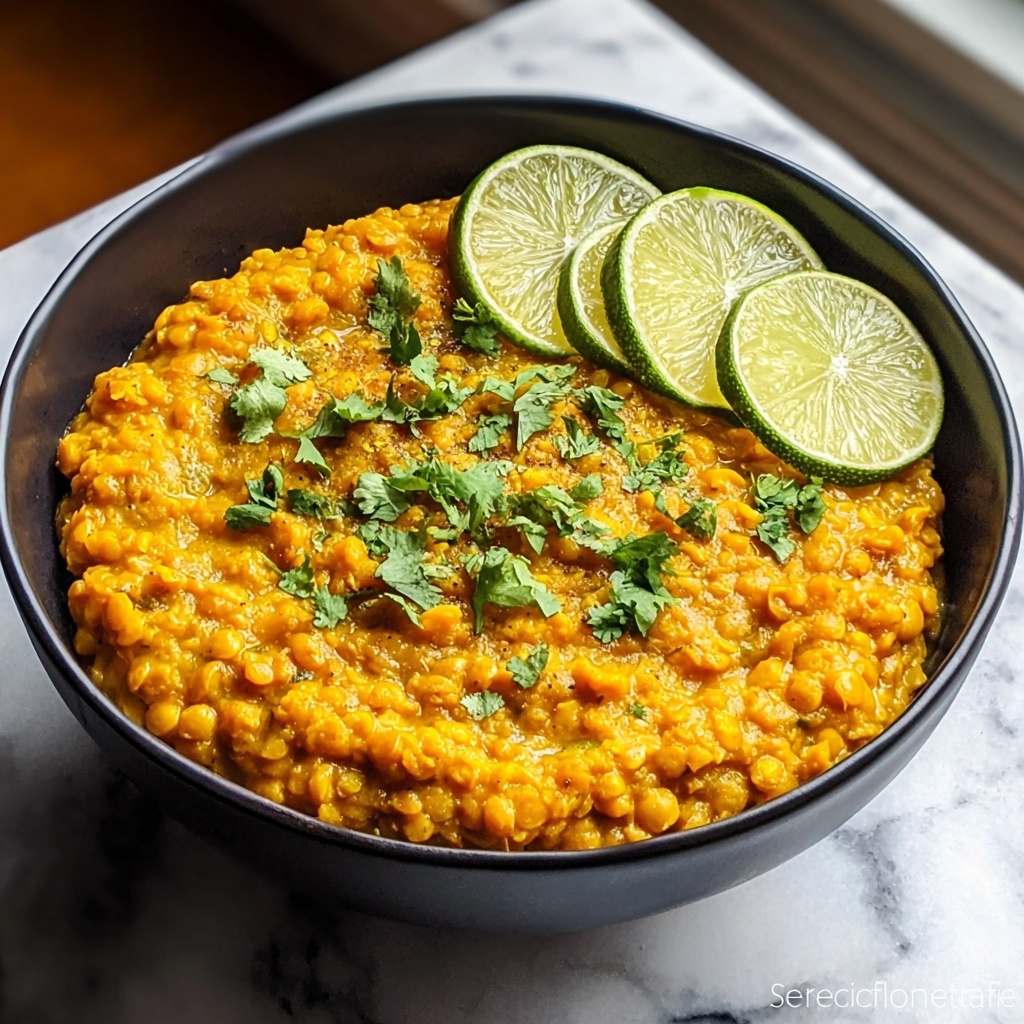
If you’ve ever wanted a dish that wraps you in warmth, simplicity, and nourishment all in one bowl, then look no further. Comforting Kitchari: Your Go-To Ayurvedic Comfort Bowl Recipe is that magical blend of wholesome ingredients and soothing spices, designed to uplift your spirit and soothe your digestion. This classic Ayurvedic dish combines the earthiness of mung beans with the fragrant embrace of basmati rice, harmonized by turmeric and ginger, making it a beloved comfort food for any time you need a little extra care. Whether you’re new to Ayurvedic cooking or simply craving a cozy meal, this recipe will become your nutritional sanctuary.
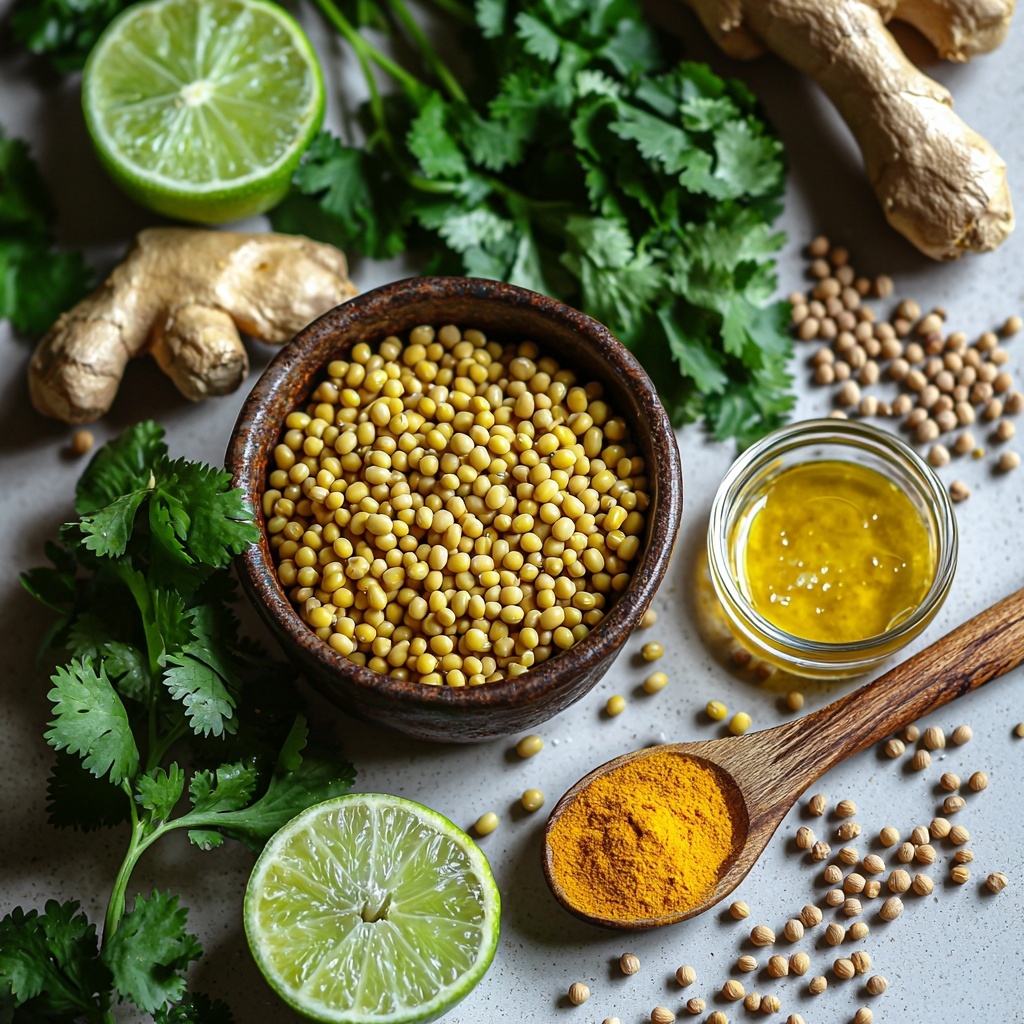
Ingredients You’ll Need
These ingredients might seem simple, but each one plays an essential role in crafting the perfect texture, flavor, and vibrant look of this dish. Together, they build a bowl full of balance and comfort that feels both rooted in tradition and perfectly accessible for your kitchen.
- 1 cup Yellow Split Mung Beans (Moong Dal): Provides protein and fiber; substitute with other lentils for different textures.
- 1 cup Basmati Rice: The main starch component offering fluffy texture; jasmine rice, brown rice, or quinoa can be used if preferred.
- 4 cups Water: The essential cooking liquid that brings everything together; vegetable broth can enhance flavor.
- 2 tablespoons Ghee or Oil: Adds a rich, silky mouthfeel; coconut or avocado oil works well for a vegan twist.
- 1 teaspoon Cumin Seeds: Infuse warm aroma and aid digestion; ground cumin is a good substitute if needed.
- 1 tablespoon Fresh or Ground Ginger: Brings a bright, spicy kick; fresh ginger offers the best flavor but ground ginger is convenient.
- ½ teaspoon Turmeric: Infuses that golden hue along with powerful anti-inflammatory benefits.
- Sea Salt and Black Pepper, to taste: Essential for seasoning—adjust as you go to suit your palate.
- ¼ cup Cilantro (for garnish): Adds a fresh, lively green pop; optional but highly recommended for presentation.
- 2 slices Lime or Lemon: Adds a burst of acidity to balance the richness beautifully.
How to Make Comforting Kitchari: Your Go-To Ayurvedic Comfort Bowl Recipe
Step 1: Soak Your Grains
Begin by soaking the yellow split mung beans and basmati rice in water for about 15 to 20 minutes. This simple step softens the grains and beans, ensuring they cook evenly and become melt-in-your-mouth tender. After soaking, rinse them until the water runs clear, helping to wash away excess starch and impurities.
Step 2: Toast the Spices
In a medium pot, gently heat your ghee or chosen oil over medium-low heat. Add cumin seeds and let them sizzle just until they release their fragrant aroma—this step unlocks their full flavor and digestive benefits. Next, stir in freshly grated ginger and turmeric, which will infuse the oil with warmth and a soothing golden glow.
Step 3: Combine Ingredients and Simmer
Add the drained mung beans and rice mixture into the pot, then pour in 4 cups of water. Season with sea salt and black pepper, giving everything a gentle stir before bringing the mixture to a soft boil. This combination of ingredients will slowly meld together to form a creamy, porridge-like consistency.
Step 4: Cook to Creamy Perfection
Once boiling, reduce the heat to medium-low and let the kitchari simmer uncovered for about 30 minutes. Stir occasionally to prevent sticking and to encourage a smooth texture. The beans and rice should soften to a creamy consistency that feels comforting and satisfying, but don’t hesitate to add a splash more water if you want it thinner.
Step 5: Final Flavor Adjustments
Before serving, taste and adjust the seasoning if needed. The balance of salt and pepper will bring the flavors together, making each spoonful a balanced delight. Your comforting kitchari is now ready to be ladled into bowls and garnished.
How to Serve Comforting Kitchari: Your Go-To Ayurvedic Comfort Bowl Recipe
Garnishes
Finishing your kitchari with a handful of fresh cilantro leaves adds a vibrant green color and a refreshing burst that counters the richness. A couple of lime or lemon slices are perfect for squeezing over just before eating, adding an uplifting acidity that brightens every bite.
Side Dishes
This dish shines wonderfully on its own, but pairing it with a crisp cucumber salad or a tangy chutney can elevate your meal to new heights. For extra protein, some simple roasted veggies or a dollop of plain yogurt (or a vegan alternative) complement the creamy texture perfectly.
Creative Ways to Present
Think beyond the bowl: serve your kitchari in colorful ceramic bowls to enhance its golden color, or layer it with spiced roasted vegetables for a vibrant Ayurvedic grain bowl. Offering a small side of toasted nuts or seeds adds a delightful crunch and an inviting contrast to the creaminess of the dish.
Make Ahead and Storage
Storing Leftovers
Comforting Kitchari: Your Go-To Ayurvedic Comfort Bowl Recipe stores beautifully in an airtight container in the refrigerator for up to 3-4 days. The flavors deepen over time, making it a perfect dish for meal prep or to have on hand for when you need a quick comforting meal.
Freezing
If you want to make a big batch, kitchari freezes very well. Portion it into freezer-safe containers and store for up to 2 months. When ready to eat, thaw overnight in the fridge or gently warm it straight from frozen, adding a bit of water or broth to restore its creamy consistency.
Reheating
Reheat gently on the stovetop over low heat or in the microwave, stirring occasionally to ensure even warming. A splash of water or broth will help bring back that freshly-cooked creamy texture, making every bowl taste just as comforting as the first.
FAQs
Is Comforting Kitchari: Your Go-To Ayurvedic Comfort Bowl Recipe gluten-free?
Yes! Made from mung beans and basmati rice, this dish is naturally gluten-free, making it accessible and safe for those with gluten sensitivities or celiac disease.
Can I make kitchari vegan?
Absolutely. Simply substitute ghee with plant-based oils like coconut or avocado oil, and you will have a perfectly vegan version without sacrificing any warmth or flavor.
How spicy is this dish?
Kitchari is gently spiced to be soothing rather than fiery. The warming qualities of ginger and cumin come through softly, but you can always add more or less to suit your taste.
Can I use other grains instead of basmati rice?
Yes, feel free to swap basmati rice for jasmine rice, brown rice, or even quinoa. Just keep in mind that cooking times may vary slightly and you might want to adjust the water accordingly.
Why is kitchari considered an Ayurvedic comfort food?
Kitchari balances all six tastes and is easy to digest, promoting detoxification and nourishment. It’s often used in Ayurveda for healing and resetting the digestive system, which is why many regard it as the ultimate comfort bowl.
Final Thoughts
There is something truly heartwarming about digging into a bowl of Comforting Kitchari: Your Go-To Ayurvedic Comfort Bowl Recipe—it’s like a gentle hug from the inside out. Whether you’re feeling under the weather, craving something wholesome, or exploring Ayurvedic flavors, this dish welcomes you with open arms and nourishing depth. Give it a try, and you might just find your new favorite comfort food ritual.
Print
Comforting Kitchari: Your Go-To Ayurvedic Comfort Bowl Recipe
- Prep Time: 20 minutes
- Cook Time: 30 minutes
- Total Time: 50 minutes
- Yield: 4 servings
- Category: Main Dish
- Method: Stovetop
- Cuisine: Ayurvedic, Indian
- Diet: Vegetarian
Description
Comforting Kitchari is a classic Ayurvedic one-pot dish combining yellow split mung beans and basmati rice with warming spices like cumin, ginger, and turmeric. This nourishing, easy-to-digest bowl provides a perfect balance of protein, fiber, and gentle flavors, making it a go-to comfort food for detox and healing. Garnished with fresh cilantro and a squeeze of lime, it’s a wholesome meal ideal for soothing the body and mind.
Ingredients
Legumes and Grains
- 1 cup Yellow Split Mung Beans (Moong Dal)
- 1 cup Basmati Rice
Liquids
- 4 cups Water
Fats and Oils
- 2 tablespoons Ghee or Oil (such as coconut oil or avocado oil for vegan option)
Spices and Seasonings
- 1 teaspoon Cumin Seeds
- 1 tablespoon Fresh or Ground Ginger
- ½ teaspoon Turmeric
- Sea Salt and Black Pepper, to taste
Garnish
- ¼ cup Cilantro, chopped
- 2 slices Lime or Lemon
Instructions
- Soak Beans and Rice: Soak the yellow split mung beans and basmati rice together in a large bowl with water for 15 to 20 minutes, then rinse thoroughly until the water runs clear to remove excess starch and impurities.
- Toast Spices: In a medium pot, heat the ghee or your chosen oil over medium-low heat. Add the cumin seeds and sauté until they become fragrant, releasing their aroma, about 1-2 minutes. Stir in the fresh grated ginger and turmeric, cooking for another minute to blend flavors.
- Add Beans, Rice, and Water: Drain the soaked mung beans and rice and add them to the pot. Pour in 4 cups of water, then season with sea salt and black pepper to taste. Bring the mixture to a gentle boil over medium heat.
- Simmer: Reduce the heat to medium-low and let it simmer uncovered for about 30 minutes. Stir occasionally to prevent sticking and ensure even cooking. The mixture should become creamy and soft.
- Adjust Consistency and Seasoning: Check the texture of the kitchari to ensure the mung beans and rice are tender. Add more water if you prefer a looser consistency. Taste and adjust salt and pepper as needed.
- Serve and Garnish: Ladle the cooked kitchari into warm bowls. Garnish with freshly chopped cilantro and serve with slices of lime or lemon on the side for a tangy finish to balance the flavors.
Notes
- For a vegan version, substitute ghee with coconut oil or avocado oil.
- You can substitute basmati rice with jasmine rice, brown rice, or quinoa for variation.
- Soaking the mung beans and rice helps reduce cooking time and improves digestibility.
- If you prefer a thinner consistency, add extra water while simmering.
- Fresh ginger imparts better flavor than ground ginger but both work well.
- Use vegetable broth instead of water to enhance flavor if desired.