
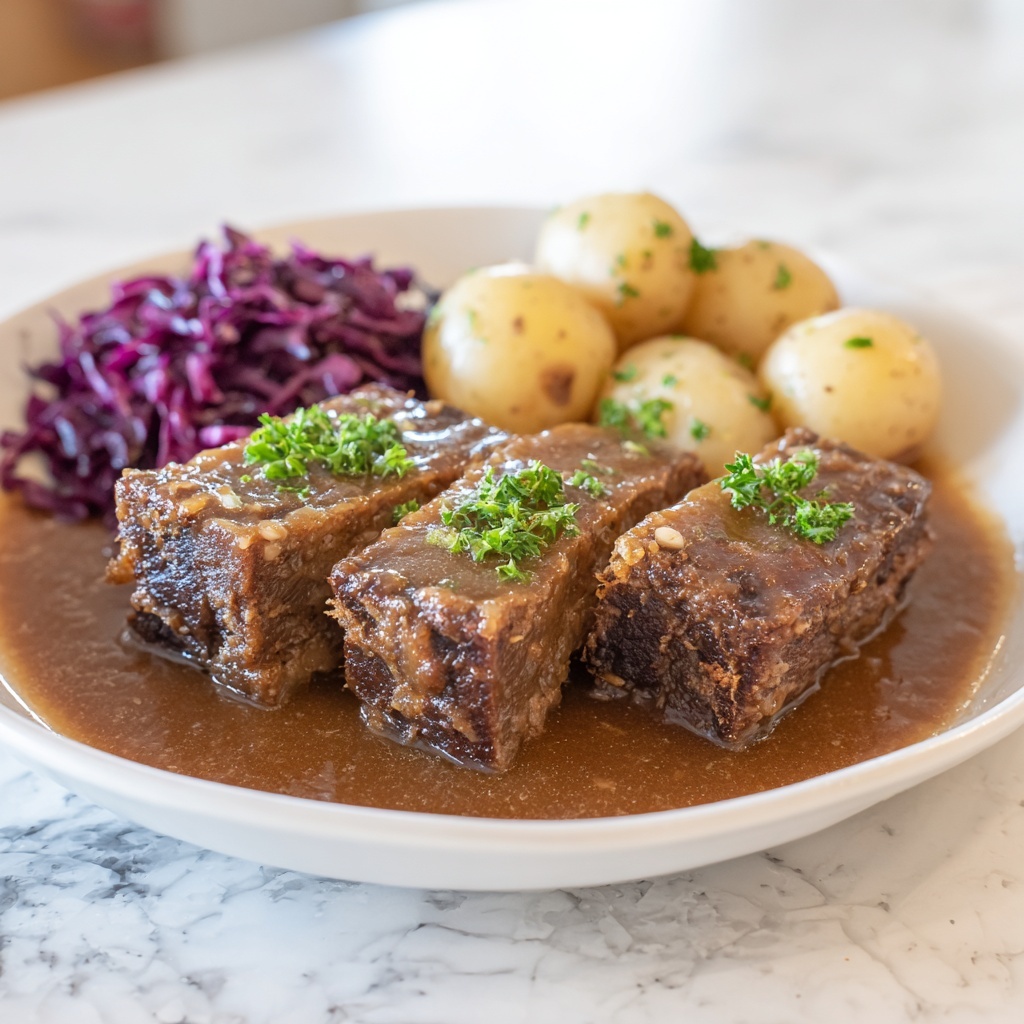
If you have a craving for something hearty, tangy, and steeped in tradition, you are going to adore this Delicious Sauerbraten German Pot Roast Recipe with Beef Tips Recipe. This dish is truly a celebration of rich flavors, balancing the boldness of red wine vinegar with the warmth of aromatic spices, all wrapped up in tender, melt-in-your-mouth beef. Whether you’re preparing it for a family dinner or a special gathering, it’s a soulful recipe that brings people together around the table and fills your kitchen with the most inviting aromas.
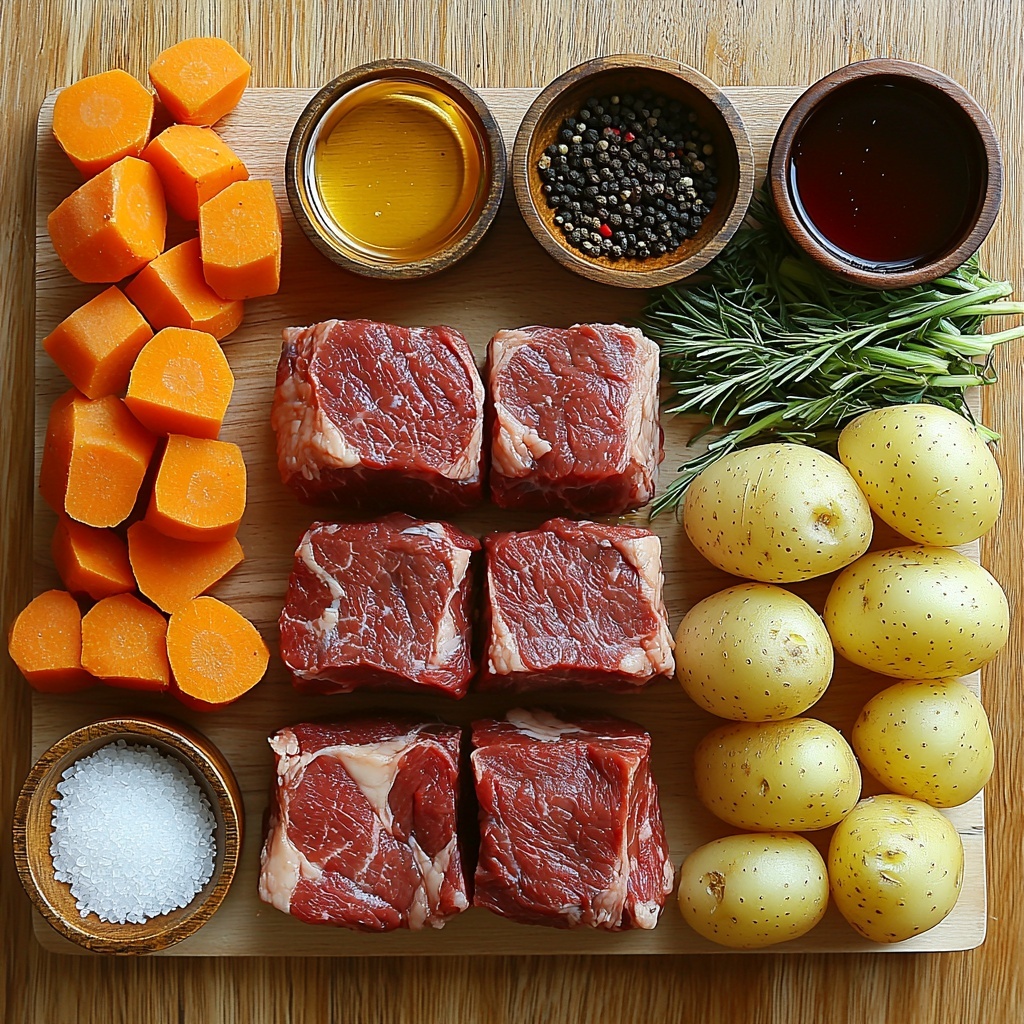
Ingredients You’ll Need
What’s so wonderful about this recipe is how the ingredients are simple yet essential, each one thoughtfully contributing to the complex, savory, and slightly sweet profile that makes German Sauerbraten so unforgettable.
- Beef roast (chuck roast or brisket): This cut offers the perfect balance of tenderness and flavor after a long, slow cook.
- Red wine vinegar (2 cups): Adds a signature tang and helps tenderize the beef beautifully.
- Water (2 cups): Balances the acidity and ensures a simmering pot that keeps the meat juicy.
- Sliced onion: Brings sweetness and depth to the marinade and cooking liquid.
- Chopped carrots: Add natural sweetness and a subtle earthy note.
- Chopped celery: Provides a fresh, aromatic base that enhances the overall bouquet.
- Crushed garlic cloves (5-6): Intensifies the savory richness of the dish.
- Black peppercorns (1 tablespoon): Deliver gentle spice and warmth.
- Bay leaves (2): Impart herbal complexity that lingers in the roast.
- Juniper berries (4-5): Give a unique piney, slightly fruity flavor that’s classic for Sauerbraten.
- Salt and pepper to taste: Essential for seasoning perfectly.
- Oil (2 tablespoons): Used for searing to lock in flavor and color.
- Cornstarch (3 tablespoons): Helps thicken the gravy to silky perfection.
- Cold water (3 tablespoons): For combining with cornstarch to make a smooth slurry.
- Brown sugar or honey: Adds a touch of sweetness to balance the acidity.
- Potatoes or parsnips (optional): Great for adding heartiness and comforting starch on the side.
How to Make Delicious Sauerbraten German Pot Roast Recipe with Beef Tips Recipe
Step 1: Prepare the marinade
Start by combining the red wine vinegar, water, sliced onion, chopped carrots, chopped celery, garlic cloves, black peppercorns, bay leaves, and juniper berries in a large bowl. This vibrant marinade is key to infusing that distinctive sour and fragrant character into your beef roast.
Step 2: Marinate the beef
Place your beef roast into a large resealable bag and pour this flavorful marinade over it. Seal the bag tightly and pop it in the fridge for 3 to 5 days, turning it daily. This slow soaking allows the meat to absorb the complex flavors and develops incredible tenderness.
Step 3: Prepare the roast for cooking
After marinating, gently remove the roast and pat it dry with paper towels to ensure it sears properly. Keep the marinade—you’ll need it later. Season the beef generously with salt and pepper to enhance its natural flavor before it hits the heat.
Step 4: Sear the beef
Heat oil in a large Dutch oven or heavy pot over medium-high heat. Brown the roast on all sides—about 4-5 minutes per side. This step locks in flavor and creates a beautiful caramelized crust that will make your Sauerbraten irresistible.
Step 5: Add marinade and simmer
Remove the roast temporarily, pour in the reserved marinade, and nestle the roast back in, adding extra water if needed to cover half the meat. Bring to a boil, then reduce heat to low, cover, and let simmer gently for 3-4 hours. This slow cooking melts the connective tissue, turning the beef tender and full of flavor.
Step 6: Strain and thicken the gravy
Once your meat is tender, lift it out and strain the cooking liquid to remove veggies and spices, allowing for a silky smooth gravy. Return the liquid to the pot, bring back to a simmer, and whisk in a slurry made from cornstarch and cold water. Stir until the sauce thickens luxuriously, then finish with a bit of brown sugar or honey to achieve that perfect sweet-and-sour balance.
Step 7: Slice and serve
Slice your Sauerbraten into tender slices and generously spoon over the thickened gravy. Each bite should be bursting with deep, comforting flavors—the hallmark of this Delicious Sauerbraten German Pot Roast Recipe with Beef Tips Recipe.
How to Serve Delicious Sauerbraten German Pot Roast Recipe with Beef Tips Recipe
Garnishes
For a finishing touch, consider fresh chopped parsley or a few juniper berries on the side. These add a sprinkle of color along with a fresh pop of flavor that complements the richness of your roast beautifully.
Side Dishes
Traditional pairings like buttery mashed potatoes, roasted parsnips, or spaetzle are fantastic choices. These sides soak up the luscious gravy perfectly and create a satisfying, well-rounded meal that will impress any guest.
Creative Ways to Present
Serve your Sauerbraten over a bed of buttered egg noodles or alongside steamed red cabbage for a vibrant plate that looks just as stunning as it tastes. You can also offer a dollop of tangy horseradish cream on the side for an extra bold twist.
Make Ahead and Storage
Storing Leftovers
After enjoying your meal, store any leftovers in an airtight container in the refrigerator. The flavors actually deepen overnight, making the next day’s dinner even more delicious.
Freezing
This recipe freezes beautifully. Portion the roast and gravy into freezer-safe containers and keep for up to 3 months. When you’re ready for a comforting meal, just thaw overnight and reheat gently.
Reheating
Warm leftovers slowly in a covered pan over low heat to maintain the meat’s tenderness and prevent the gravy from breaking. Add a splash of water or broth if the sauce thickens too much.
FAQs
Can I use other cuts of beef for this recipe?
Absolutely! While chuck roast or brisket is ideal due to their marbling and tenderness when slow-cooked, other tougher cuts like rump roast can work, too. Just adjust cooking time accordingly until the meat is tender.
Why do I need to marinate the beef for so long?
Marinating for several days allows the vinegar and spices to deeply penetrate the beef, tenderizing it and layering complex flavors characteristic of a traditional Sauerbraten.
Can I skip the juniper berries if I can’t find them?
You can, but juniper berries contribute a unique piney aroma and subtle sweetness that really elevate the dish. If unavailable, a small amount of crushed allspice or a hint of rosemary can provide a comparable effect.
Is the gravy naturally sweet?
The sweetness comes from adding brown sugar or honey towards the end. This balances the tangy vinegar and rounds out the sauce’s flavor, making it deliciously complex but not overly sweet.
What’s the best way to serve this meal for a crowd?
Slice the roast just before serving to keep it juicy. Keep the gravy warm on the stove or in a slow cooker so guests can ladle as much as they like over their portions, paired with hearty sides like potatoes or spaetzle.
Final Thoughts
I can’t recommend enough that you try this Delicious Sauerbraten German Pot Roast Recipe with Beef Tips Recipe. It’s a brilliant dish that turns simple ingredients into a beloved feast full of history, flavor, and warmth. Cooking it might take some time, but the joy and satisfaction when you dig into tender slices of slow-simmered beef with that luscious gravy will make it all worthwhile. Trust me, this is one recipe that will become a treasured favorite in your kitchen!
Print
Delicious Sauerbraten German Pot Roast Recipe with Beef Tips Recipe
- Prep Time: 15 minutes
- Cook Time: 3 hours 45 minutes
- Total Time: 3 days 4 hours
- Yield: 6 servings
- Category: Main Dish
- Method: Slow Cooking
- Cuisine: German
Description
Sauerbraten is a traditional German pot roast that features tender, marinated beef simmered slowly in a tangy, flavorful sauce. This recipe uses beef roast marinated in a vinegar-based mixture with aromatic vegetables and spices, then seared and slow-cooked to perfection. Finished with a luscious cornstarch-thickened gravy, this rich and hearty dish is perfect for a comforting family meal.
Ingredients
Meat and Marinade
- 1 beef roast (chuck roast or brisket recommended)
- 2 cups red wine vinegar
- 2 cups water
- 1 sliced onion
- 2 chopped carrots
- 2 stalks chopped celery
- 5–6 crushed garlic cloves
- 1 tablespoon black peppercorns
- 2 bay leaves
- 4–5 juniper berries
- Salt to taste
- Pepper to taste
Cooking
- 2 tablespoons oil
Gravy
- 3 tablespoons cornstarch
- 3 tablespoons cold water
- Brown sugar or honey (for sweetening, optional)
Optional
- Potatoes or parsnips (optional for heartiness)
Instructions
- Prepare Marinade: In a large bowl, mix red wine vinegar, water, sliced onion, chopped carrots, chopped celery, crushed garlic cloves, black peppercorns, bay leaves, and juniper berries thoroughly to create the marinade base.
- Marinate Beef: Place the beef roast in a large resealable bag and pour the marinade over it. Seal the bag securely and refrigerate for 3 to 5 days, turning the bag once daily to ensure even marination and enhanced flavor absorption.
- Season and Dry Roast: After marination, remove the roast from the bag and pat dry with paper towels to remove excess moisture. Reserve the marinade for cooking. Season the roast generously with salt and pepper on all sides.
- Sear the Roast: Heat oil in a large Dutch oven or heavy pot over medium-high heat. Add the beef roast and sear it on all sides, about 4 to 5 minutes per side, until a rich brown crust forms, locking in juices.
- Add Marinade and Simmer: Remove the roast temporarily from the pot. Pour the reserved marinade back into the pot, placing the roast on top. Add additional water if needed to cover the meat about halfway. Bring the liquid to a boil.
- Slow Cook: Once boiling, reduce heat to low and cover the pot. Let the beef simmer gently for 3 to 4 hours or until the meat becomes tender and easily pierced with a fork.
- Remove Meat and Strain Liquid: Take the cooked meat out and set aside to rest. Strain the cooking liquid through a fine mesh sieve to remove vegetables and spices, creating a smooth base for the gravy.
- Thicken Gravy: Return the strained liquid to the pot and bring it back to a simmer. Mix cornstarch with cold water to form a slurry, then gradually whisk this mixture into the simmering liquid. Stir continuously until the gravy thickens to desired consistency. Sweeten with brown sugar or honey if preferred.
- Serve: Slice the beef roast thinly and serve hot, generously drizzled with the rich, tangy gravy. Optionally serve with boiled potatoes or parsnips for a complete meal.
Notes
- Marinating the beef for several days is crucial for developing the signature sour and tender characteristics of Sauerbraten.
- Juniper berries lend a traditional piney aroma but can be omitted if unavailable.
- Be sure to pat the meat dry before searing to ensure proper browning.
- Adjust the sweetness of the gravy with brown sugar or honey to balance the vinegar’s acidity to your taste.
- The longer simmering time yields tender meat but avoid boiling aggressively to prevent toughening.
- This dish pairs well with potato dumplings (spaetzle) or red cabbage for authentic German flavor.